Visiting Porto? This complete guide to Porto will help whether you’re spending 48 hours in Porto or have longer to enjoy exploring the city
What I learned after visiting Porto three times
I’ve now visited Porto three times, including my most recent trip in August/September 2026. This guide combines what I learned across those trips, including what I’d do differently, what I wouldn’t bother paying for and which parts of the city I enjoyed most.
*This post was last updated in September 2026. All information is accurate as of that date*
Why visit Porto?
Porto is almost always described as a hidden gem. It’s not hidden, but it is a diamond of a city.
Situated along the Douro River estuary in northern Portugal, Porto isn’t a secret destination. I’ve definitely seen a lot of tourists when I’ve visited, but there’s nothing wrong with that. Places get popular for a reason and Porto really deserves the popularity. Just don’t head to Porto expecting a city with no tourists, that’s not going to happen. On the flip side, don’t miss Porto because it is not an unknown city. You really would be missing out.
Only 280km from Portugal’s capital city, Lisbon, Porto is the second largest city in Portugal and by far one of the most beautiful. I’ve visited a three times now and I know I’ll be back, which says a lot about my view of the city. I’m not someone who tends to return to the same place unless it’s very special. Porto is VERY special indeed.
Visiting Porto makes for a perfect weekend break and if you have even longer to explore, Porto will not disappoint. I hope you find this complete guide to Porto useful and that you’re inspired to book a flight soon.

If you’re planning on visiting Porto (please do!) this complete guide to Porto will give you the information you need to make the most of your time in the city, whether you’re spending 48 hours in Porto (my favourite sort of trip) or you’re there for a longer visit.
Happy reading and enjoy visiting Porto, I’d love to hear about your trip in the comments!
Visiting Porto essentials-currency, language and public transport
Portugal uses the euro and has since 2002, when it replaced the Portuguese escudo. This is handy if you travel often, as you’ve probably got some euros left from a previous trip. I took some euros I had in cash, and only withdrew money once. This was when a restaurant we wanted to eat at had a broken card machine. Everywhere took card, even for smaller transactions, which made things easy.
Cash would have been just as easily accepted if that’s your preference, though. It was handy to be able to pay the ferry across the river in cash. We did need to pay to use public toilets a couple of times, so some coins were very useful too.
I haven’t seen many places in Porto to change currency. I specifically looked during the August/September 2026 trip and still didn’t see any. In a lot of cities they are glaringly obvious. Be careful if you plan to bring currency and convert it to euros, as that may not be easy.
I always travel with my Monzo card which is fee free abroad, and you can sign up to Monzo here. If you use my link, we each get a mystery reward of £10, £20 or £50 once you’ve completed a transaction.
Alternatively if you’d prefer to use your normal bank account, consider Currensea, which links to your usual account. You use your Currensea card to pay with, it’s fee free, and it takes the money straight out of your normal account, no need to move funds, which my partner finds easier. You can sign up for a Currensea card here and if you use my link, once you’ve spent £100 abroad we each get £10. (I am only recommending accounts I use myself. Referral rewards are correct at the time of writing. If you choose to sign up with my link for either of these, thank you! You can of course sign up for these accounts without my referral link)
Porto is, of course, a Portuguese city and so the main language spoken is Portuguese. Everywhere seemed to speak English and have English menus, and we were able to communicate in English whenever we needed. We also heard a lot of other languages being spoken and understood, it’s a well visited city. You’ll likely be fine wherever you’re from. Google Translate is, of course, always an option if you’re struggling.
Tipping isn’t expected like it is in some places, but it is recommended. Tip around 10% if you’re happy with the service. We didn’t tip twice. Once was when my meal arrived as J was finishing his food. The other time was when they brought me a different meal to what I ordered, then tried to argue about it. We tipped 10% the rest of the time. Service was polite, friendly and fast – apart from two bad experiences.
Getting to Porto
The easiest way to get to Porto from the UK is to fly. Most UK airports have direct flights to Porto for pretty low prices, at the time of updating this post there are October 2026 flights under £20 from most airports and the following August, 2027, below £75. Manchester, Stanstead, Gatwick, Luton, Bristol and Glasgow all offer direct flights to Porto.
If you’re adding Porto onto a multi-city trip there’s easy, cheap and frequent transport from Lisbon. Porto is also a good airport to transit to some further flung or harder-to-get-to countries like Serbia, Luxembourg, Angola and Brazil, if you fancy combining countries that way. I seriously considered doing this to get to Luxembourg.
Arriving into Porto airport has always been simple in my experience. Passport control feels well organised and the queue was quite short each time I’ve flown in. Leaving Porto is a bit more chaotic, especially if you’re trying to eat at the airport (I’m looking at you, Burger King!) so I’d suggest swerving the airport food when flying home and either bringing a snack with you, eating a last meal in the city or eating on the plane.
I’ve taken a taxi from Porto airport (around £10, Porto has Uber). Porto also has easy transport from the airport by metro, and I found this simple to navigate. The journey takes around 40 minutes and is about 2 euros 50 per person from the airport to Sao Bento station. You will need to buy your ticket from a machine and validate it at the scanner on the way to the platform.

Porto airport’s website has more information on public transport options, if you need it.
Using public transport when visiting Porto
Porto’s metro is by far the easiest way to get around the city. It is particularly useful if places are too far to walk, or you’re struggling with Porto’s infamous hills. You can buy a ticket per journey, making sure to choose the correctly zoned ticket, or a 24 hour or 72 hour ticket if you know you’ll be making a lot of journeys.
We mostly walked, taking the funicular up the hill once, and using the cable cars at the other side of the river to save us a hill walk too. The funicular cost 4 euros per person. The cable car cost 6 euros per person one day or 9 for a return and the view is beautiful.
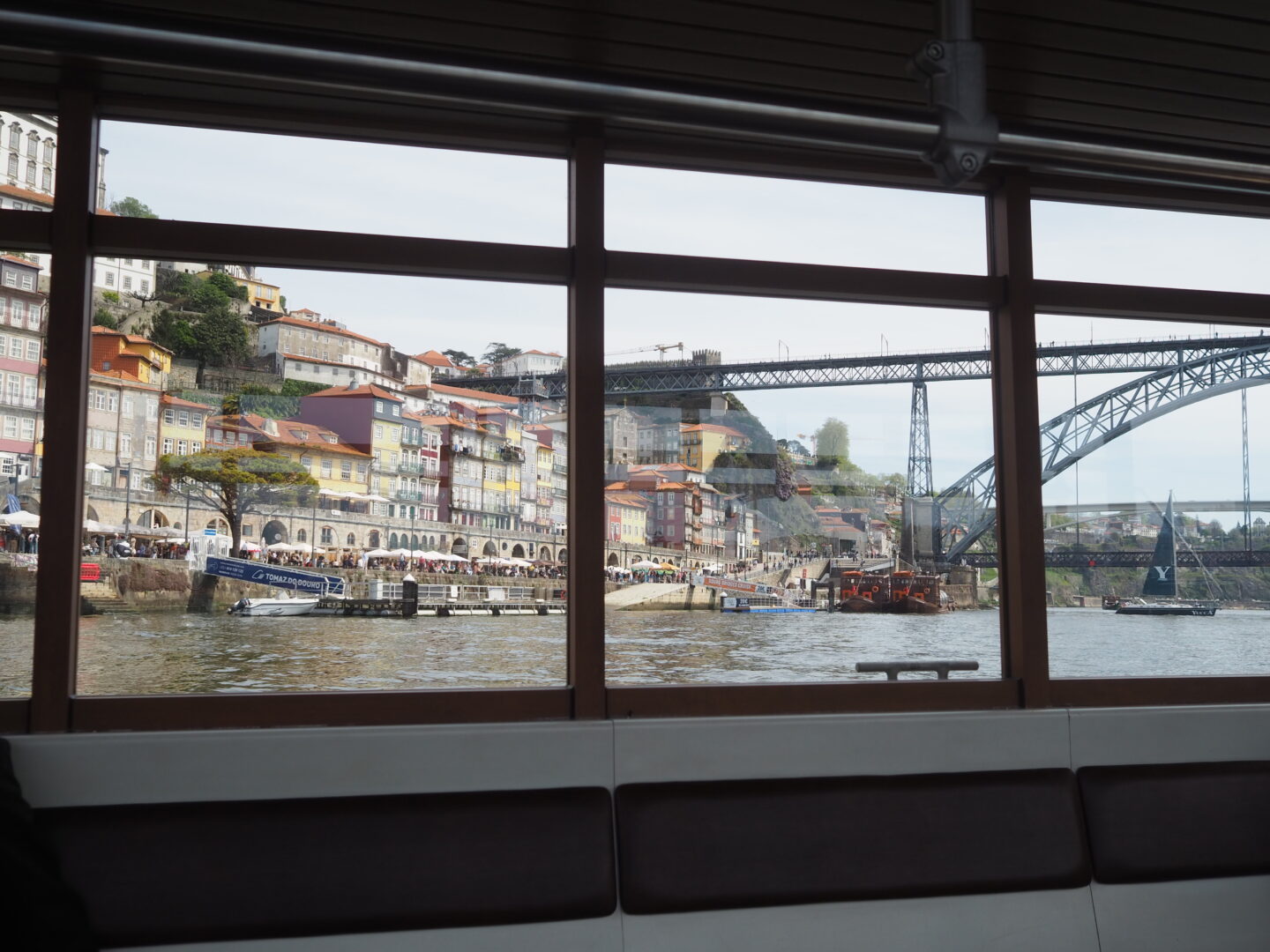
We also tried the ferry – basically a small boat – to get across the river. It was quick and cheap at 3 euros per person and, much like the cable car and the funicular, it was also an experience in itself.

Porto has an old-fashioned tram that takes you to the nearby coastal part, Foz. Foz is also on Porto’s open top bus tour and there are regular public buses if you don’t fancy waiting for the tram. There is usually a queue, we waited about 40 minutes, and the return tram just didn’t arrive. The old tram takes takes 25 minutes and costs 6 euros one way, 8 euros, so it’s a great budget way to see Foz as well as an experience in itself. You can pay in cash to the driver or by card on the tram itself.
Where to stay in Porto
Porto is a pretty small city and you’ll struggle to find a bad location to stay in. But it’s worth considering whether you want to be closer to the river, or further away.
Further away means more hills to walk up to get home. However, places to eat closer to where you’re staying will be cheaper. If you need a space to work you’ll be better looking for an apartment. If you’re more price-conscious, a B&B is likely to be the cheapest option.
I’ve suggested a budget, mid–range and luxury option below. If you choose to use my links to book, I’ll get a small percentage of commission at no cost to you. Thank you in advance if you choose to support my work in this way.
For a budget option, I’d usually look at hostels. However, Porto’s hostels are not that cheap in comparison to other accommodation. If you’re on a really tight budget, this accommodation has private rooms but shared bathrooms and access to kitchen facilities. You can make your own meals and snacks to save cash. At £75 per night for two people in August 2027 it’s not much cheaper than a mid-range option, but it will save £25 a night. That £25 will buy a few coffees and Pastel de natas!
A good mid-range option – and we stayed here ourselves – is Dear Porto Guest House. The accommodation is just 500m from Porto’s main station, Sao Bento. It’s easy to get to on arrival into the city and it’s also 350m from Bolhão Metro Station. Bolhão market, which we loved, is a couple of minutes walk away too. Dear Porto Guest House is highly-rated and cheap, at around £100 per night for a double room in August, cheaper in the less popular months. It is great as a budget option if you just need a basic place to sleep. Dear Porto Guest House is uphill from the river, but so is most of the city! I wouldn’t be put off staying here. Even with my fibromyalgia I was fine with the slow uphill walk home.
Another good mid-range option – that we stayed in during our August/September 2026 trip, is Zero Box Lodge. You’re also looking at around £100 a night in August but this one has a (small) plunge pool and better facilities than Dear Porto Guest House. I wrote a review of Zero Box Lodge after our stay.
A more fancy option is this three-bedroomed house with a terrace overlooking the river and Luis I Bridge. This is an absolutely amazing location, just five minutes across the bridge from Ribeira, in the heart of the city. But it’s not cheap, at £500 per night with a minimum booking length of 4 nights in August 2027. For three couples though, at £166 per night per couple, it’s a great option for a more luxurious trip or a special occasion.
Only have a short time visiting Porto? Do these three things
Maybe you’re only visiting Porto for a day? Or perhaps you’re in the city for work and only have a few hours to explore? The top three things you should absolutely do are:
Take an open top bus tour around the city. If you use the red buses, the red route takes you all around Porto and takes around two hours. The blue route is the other side of the river, Vila Nova de Gaia. That takes around an hour and a half. If you’re short on time, do the red route as you’ll see the main sights of Porto, quickly.
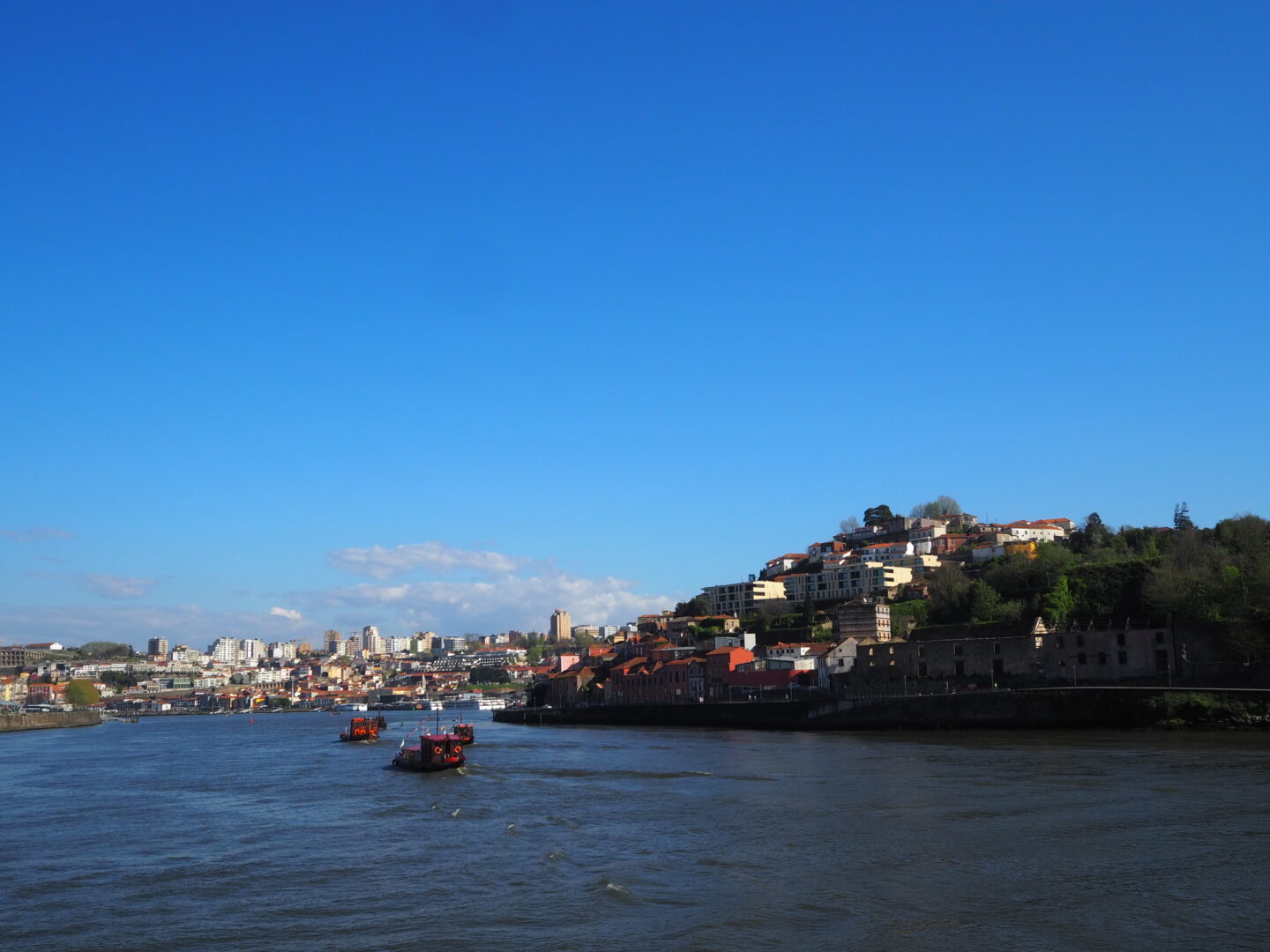
Walk around Ribeira, the prettiest part of the city. There’s plenty of places to grab a drink or food if you’re hungry. The views across the river, as well as of the surrounding houses, are breath-taking. Ribeira is one of my favourite parts of the city for sure.
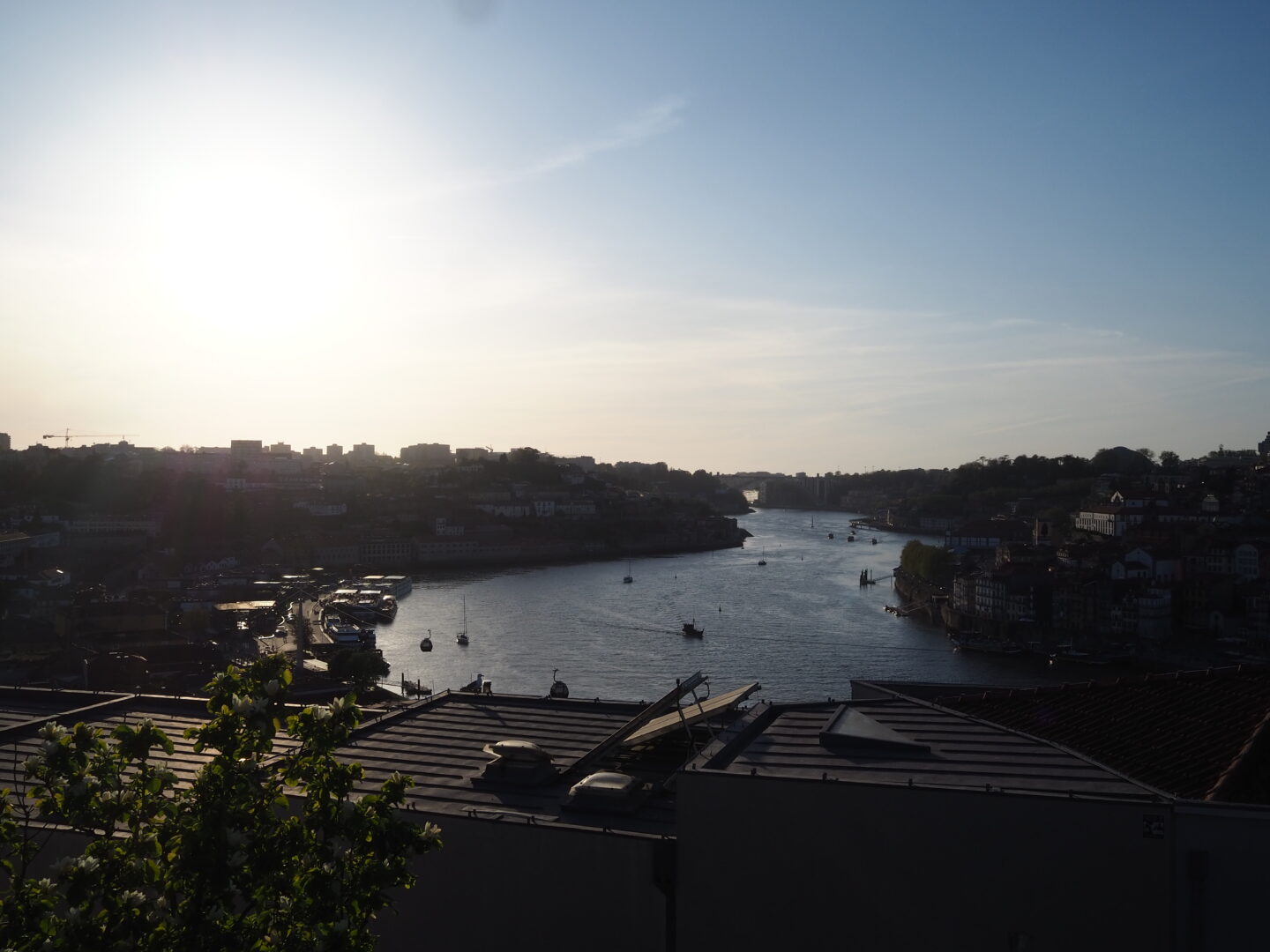
Walk across Luis I bridge. Go up the hill (or take the cable car) up to Jardim do Morro to watch the sunset. It’ll be busy but there will be a spot for you to sit on the grassy hill. There’s usually a band playing to add atmosphere. If you fancy a beer, you can take your own. Alternatively, buy drinks from the sellers who are wandering around selling a selection. Sunset at Jardim do Morro is an absolutely perfect way to end your day in Porto.
How much will I spend in Porto?
For three days in the city in August 2026 we spent £263 on our flights from Manchester. These could have been slightly cheaper. Flights in August 2027, the most expensive month, are less than £80 per person. You can find accommodation for £100 per night even in August, and less in the cheaper months. Public transport is really reasonable and you’ll probably mostly walk anyway.
Eating well in the city is not too expensive either. We did a steakhouse on our first night, had decent-sized portions for every meal with a couple of drinks and daily desserts. Add in a few coffees and our food spending was still just over £300 between us. I think an average of £50 per person per day is really reasonable.
If you’re on a budget, Porto has plenty of places you can grab a snack or something from the supermarket. There is no shortage of pretty outside space to eat in either. You can definitely eat well enough for half of what we spent if you’re less bothered about big full meals, alcohol and ice cream.
Porto’s McDonalds is one of the prettiest in the world. You can tick off an attraction as well as getting a cheap meal if you’re so inclined.
On our May 2024 trip we spent £60 each on activities. That could easily have been less, with an open-top bus tour costing a big chunk of that budget. We opted out of couple of things that were higher in price, like the golden church, as I’d been before.
In August 2026 we spent £75 each on activities in Porto. This covered two classes, a light show and climbing the Clérigos Tower.
Porto has plenty of free or very cheap things to do, and if you want to have plenty of money to do everything in Porto, a budget of £100 a day per person should cover your costs easily.
Must-try foods when visiting Porto
Foodies will not be disappointed when visiting Porto, as the city is amazing for food. There’s so many things you should try, that are either specific to the city or just very good, and I’ve covered these for you in this section.
Francesinha
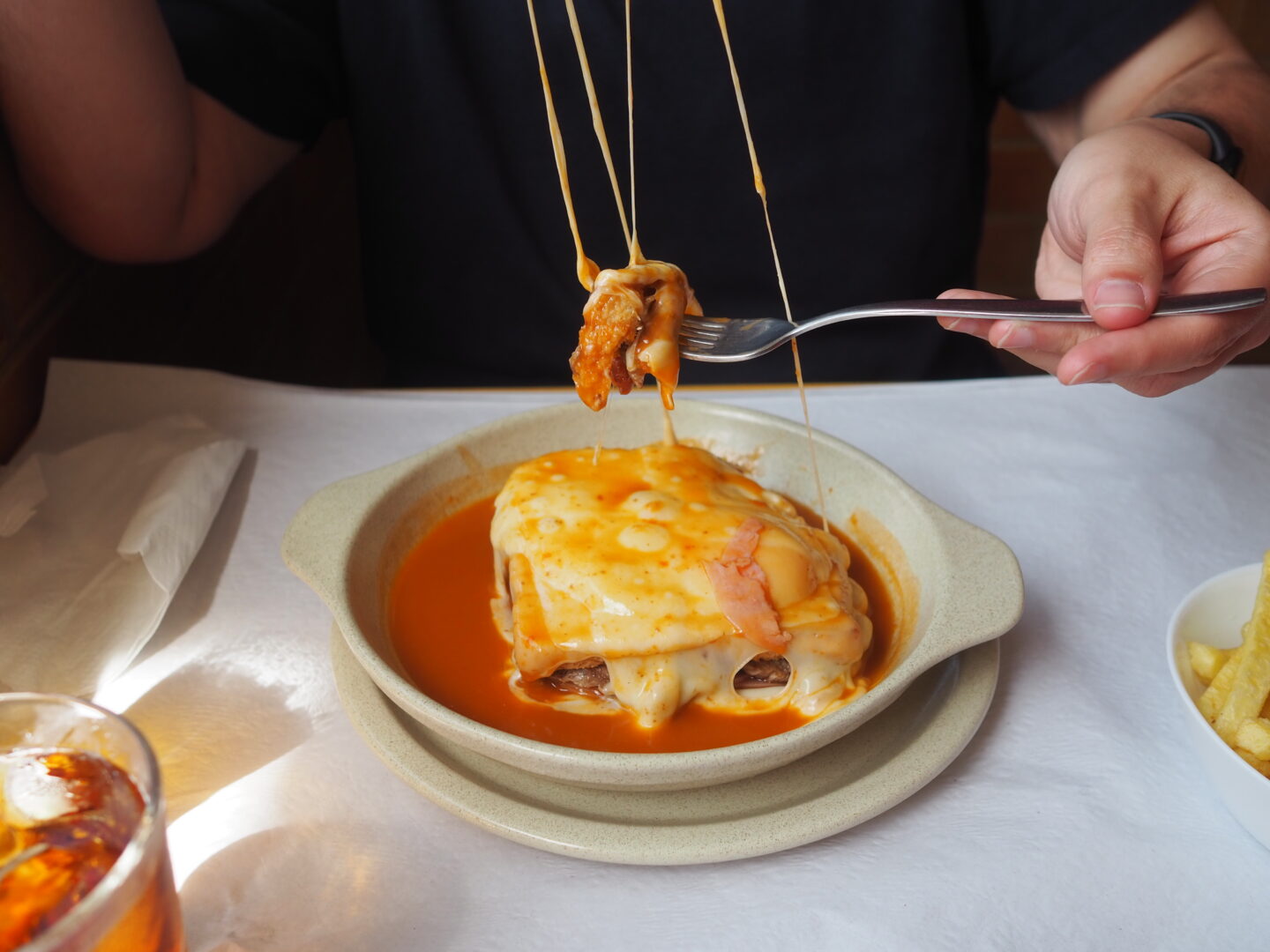
Porto is known for the Francesinha. What is it? A massive sandwich, in short! The Francesinha is made with layers of meat and toasted bread with melted cheese. It also comes with a beery, tomatoey sauce on the top.
Francesinhas are not for me, but they are one of the main reasons J fancied visiting Porto. He agreed to help me out with this post and tried three different Francesinhas. I’ve asked him to review them below.
The first one was at a steakhouse. It had decent quality steak in and came with an egg on top, which is a typical addition. The second Francesinha was in a cafe. The meat wasn’t as good quality, so the sandwich wasn’t as tasty, but the price was cheaper than the first.
J’s final Francesinha of the weekend had a choice of meats. This was good, but the quality was still not as good as the first one. The price was similar to the second one too.
From our limited research, you definitely get what you pay for. The Francesinhas with better quality meat are the best. Just look at all that melted cheese on top. So good!
Pastel de nata
Portugal is also well known for Pasteis de Natas, little flaky pastry cases filled with custard. Now these, I can get on board with! They’re best when they’re fresh. You know they’re fresh when the pastry is flaky, if your nata is chewy then it’s older.
We tried a tasting box of 6 natas-one original and 5 different flavours-at Nata D’Ouro, next to the cable car station by the river, on the Vila Nova de Gaia side. They were all good but in my opinion, they’re delicious enough and don’t need added flavours. I like the original natas the best. I can recommend this place if you’re after a variety of flavours though.
Tripas à Moda do Porto, a tripe stew, is a popular dish in the city. As is Bacalhau à Gomes de Sá, a codfish casserole. J enjoyed trying alheira, a white sausage traditionally made with chicken or turkey and bread.
Of course, Porto is famous for its port wine. Port is slightly wasted on me as I mostly drink vodka or cocktails, but if you like port, you can book port tasting sessions to get a good selection. We had some delicious cocktails made with white port at one of our classes.
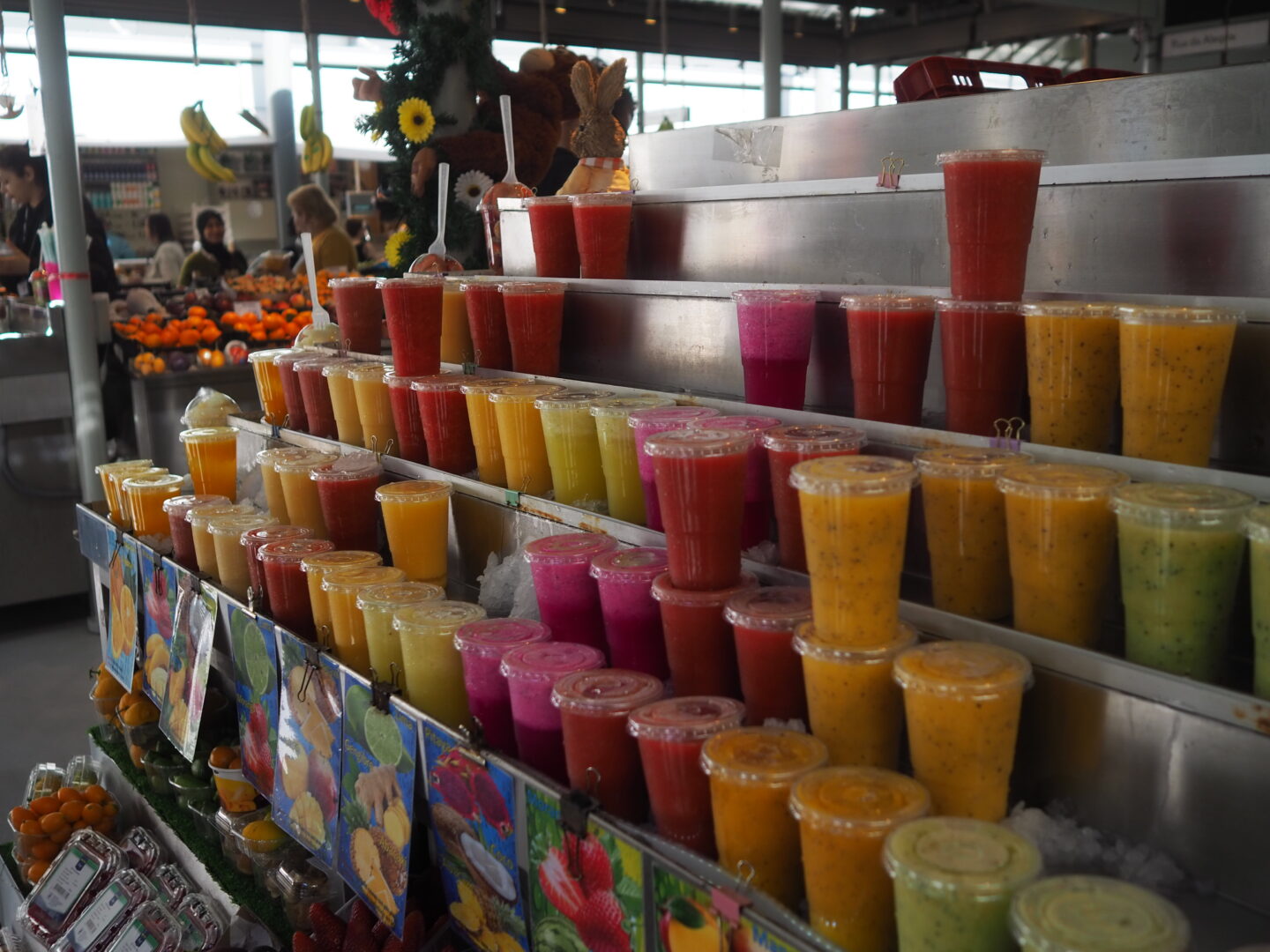
We found the local market, Mercado do Bolhao, really good for food. It has many small snack options and quite a few stalls selling a huge variety of dried fruit and fruit juice. We bought fruit juice and dried fruit both mornings and really enjoyed it. If we’d been staying longer, with cooking facilities, we would have enjoyed buying ingredients for a meal here.
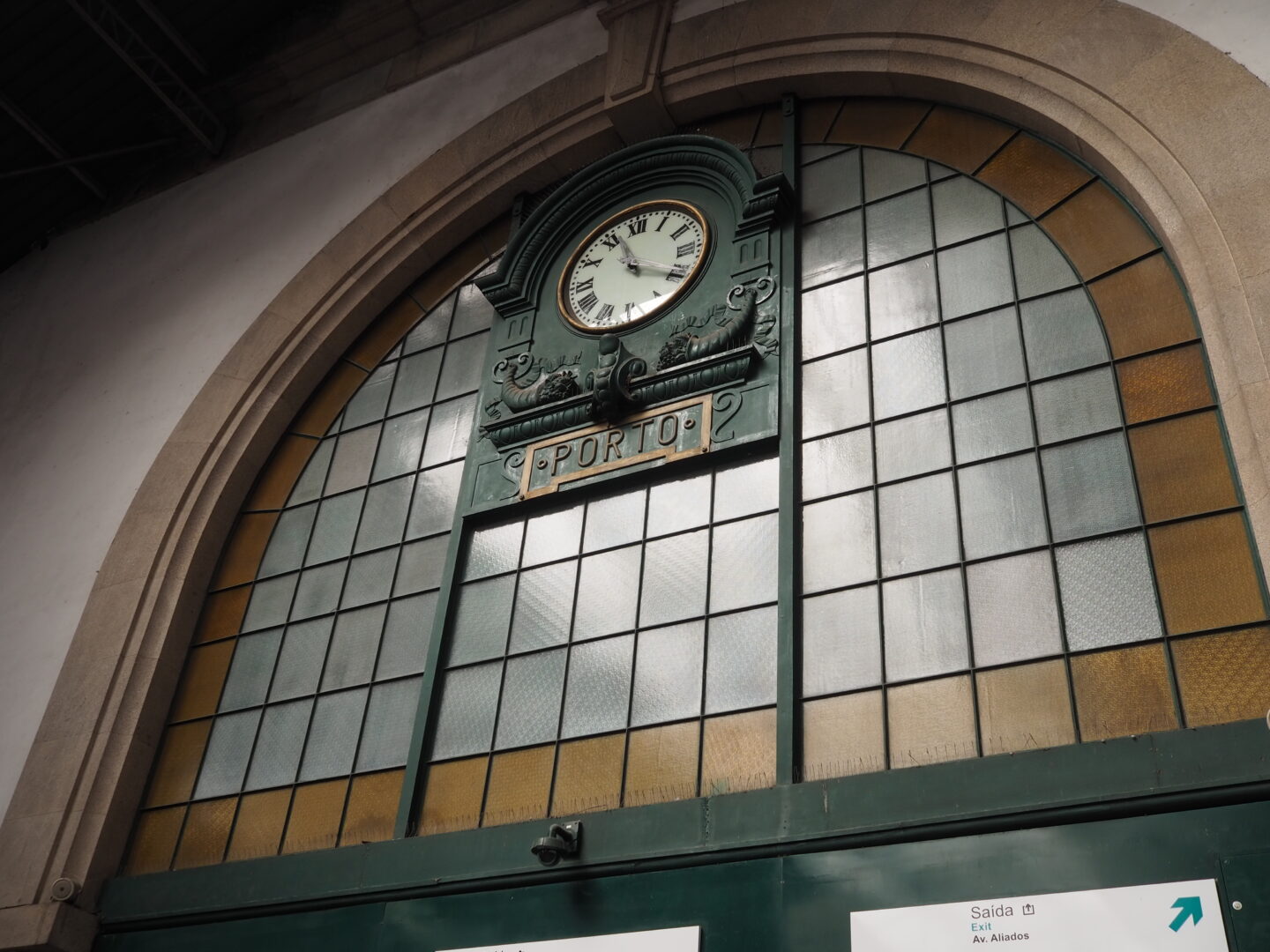
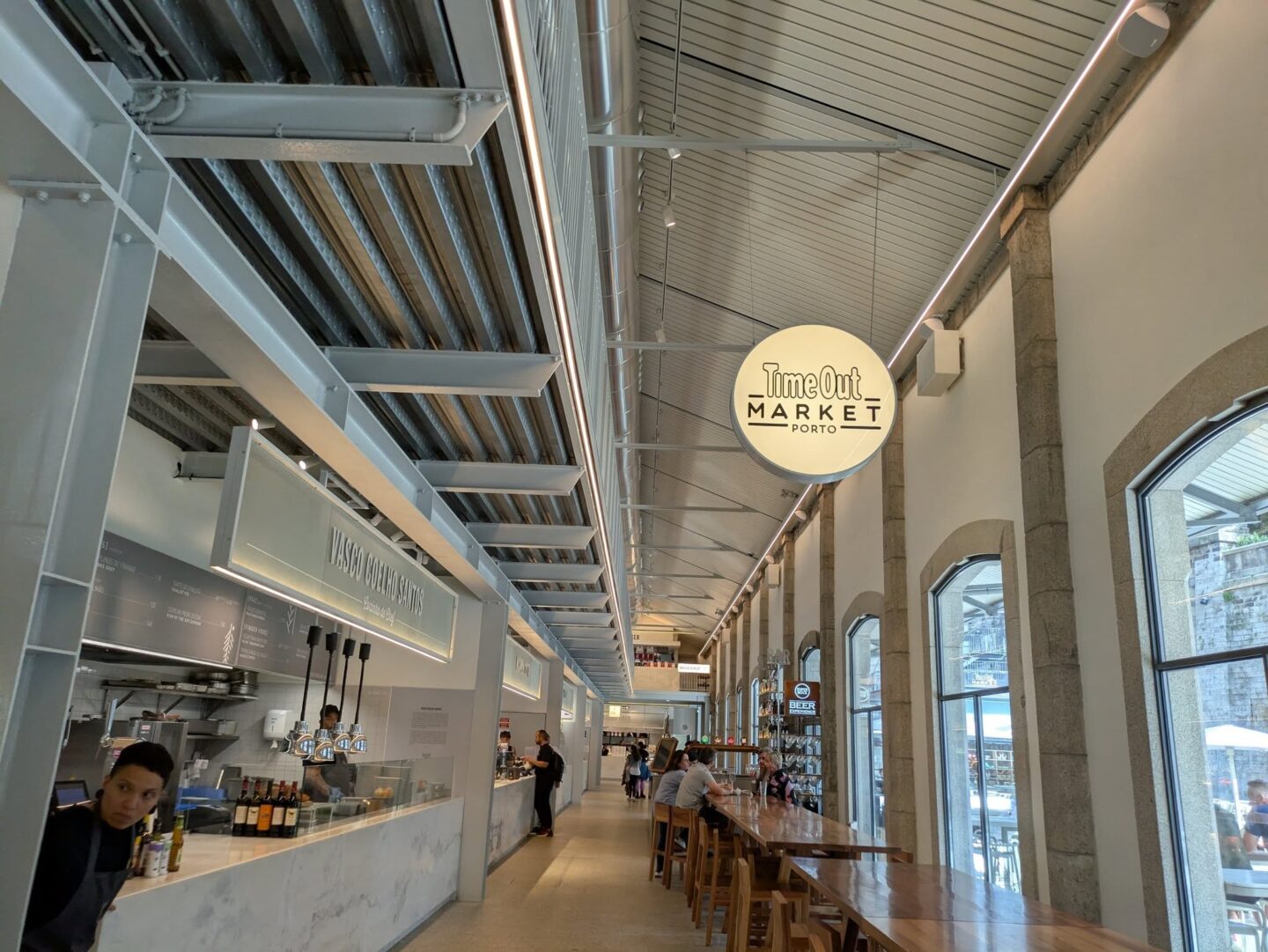
Time Out Market, attached to Sao Bento station, has a variety of different food stands and plenty of seating. This is a great place to have a final meal in the city if you’re about to get the train to the airport to fly home. With a door leading straight into the station, you won’t get lost.
There’s a completely meat-free kitchen if you’re vegetarian or vegan, delicious looking smashed burgers if you’re a meat eater, and even octopus rice if you’re feeling more adventurous.
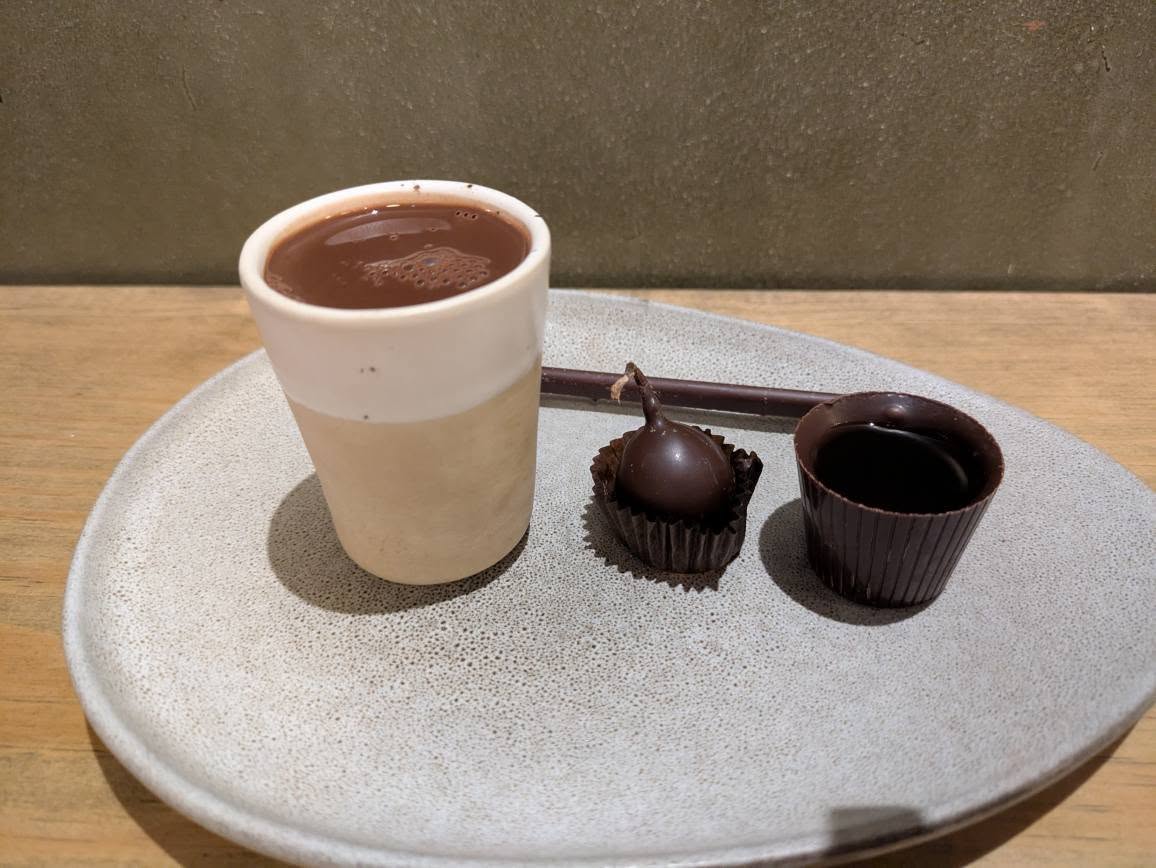
For a sweet treat, Chocolataria Equador was highly reviewed online so we tried it out to double check.
Chocolataria Equador has a variety of chocolate treats including alcoholic shots with a chocolate truffle. They were really, really good! You can also buy boxes of individual chocolates or small and medium bars to take home. It’s not cheap, though. We spent 17 euros on two drinks and two small chocolate bars. But it was so worth it.
Visiting Porto-the best aerial views
Sé do Porto
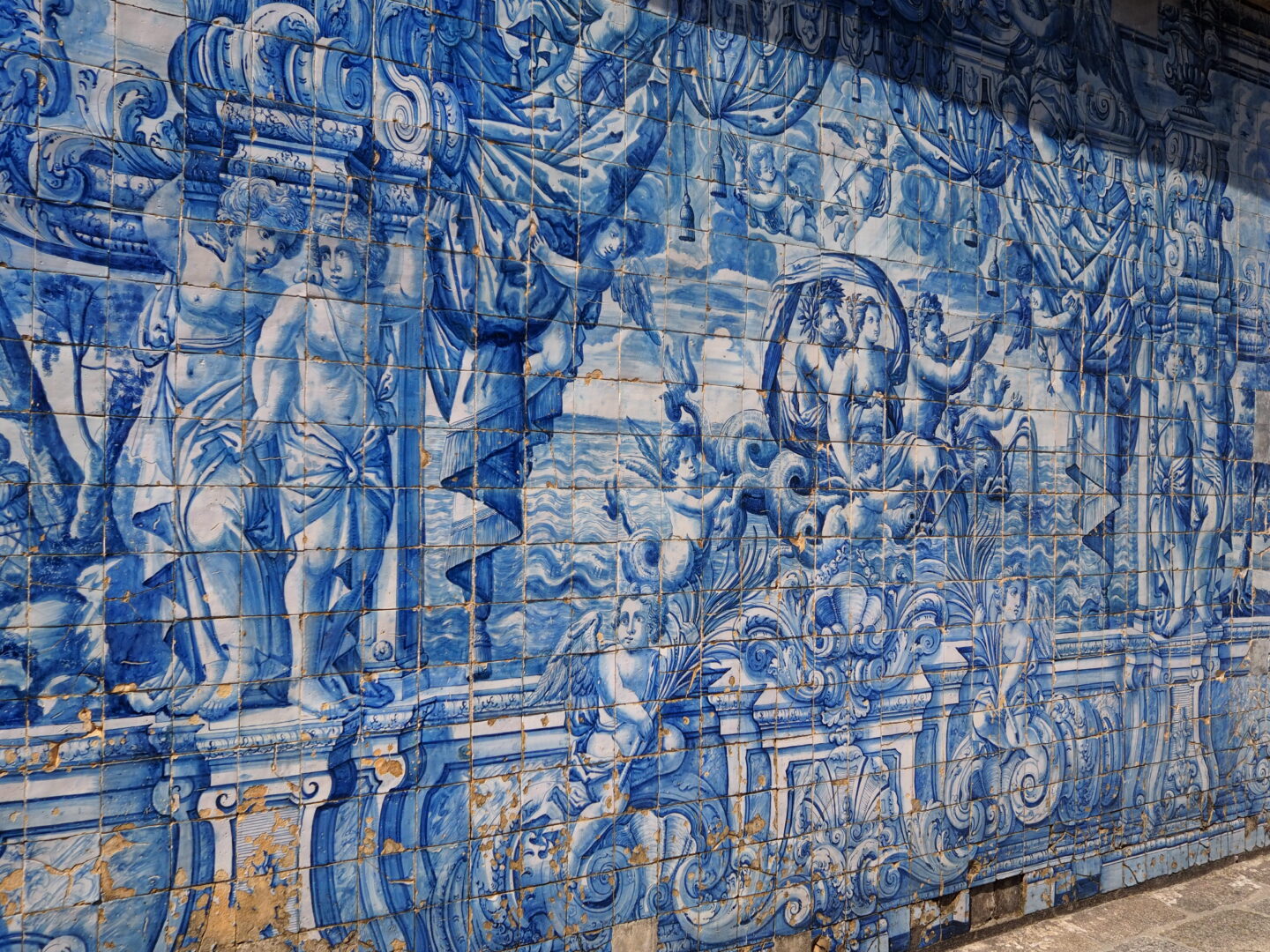
The Porto Cathedral, known for its beautiful blue tiled interior shown below, has a tower you can climb for amazing views over the city. It’s an absolute bargain at 3 euros to enter the cathedral and tower. The stairs, whilst steep, are much easier than similar towers I’ve climbed in other cities. I was a little bit out of breath by the top but the view was so, so worth it.
Porto’s cable car
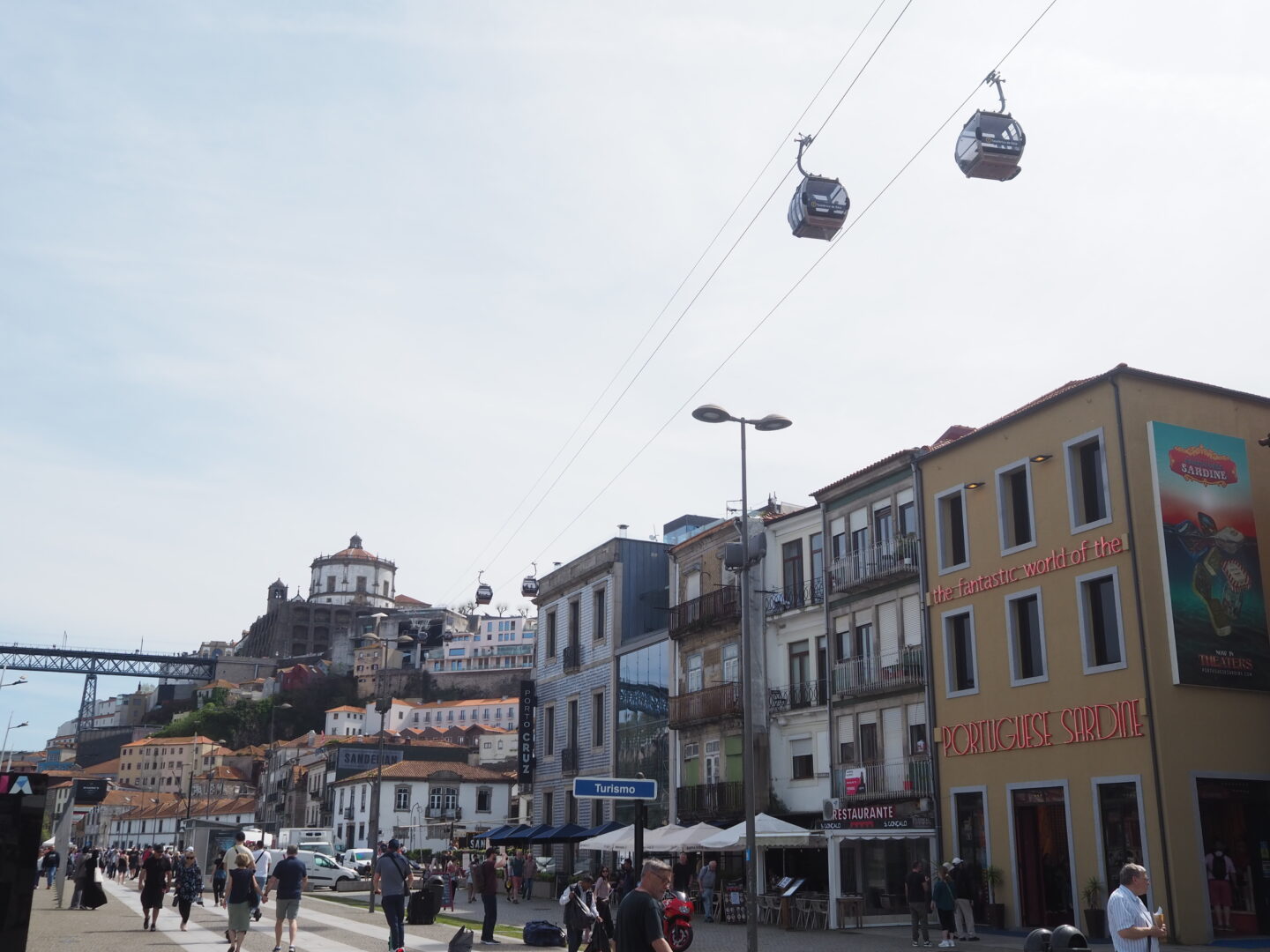
The Cable Car, from the station at the side of the river, on Vila Nova de Gaia side, gives great views from a different angle. It also saves you walking up the hill, which is a big win-it’s a very big hill! Tickets for a one way journey are 7 euros for adults, and a round trip is 10 euros.
Keep an eye on the opening times. We went up for sunset and the cable car closed before we would have wanted to come back. We paid for one way and walked back to the Porto side along the top floor of the bridge.
Jardim do Morro
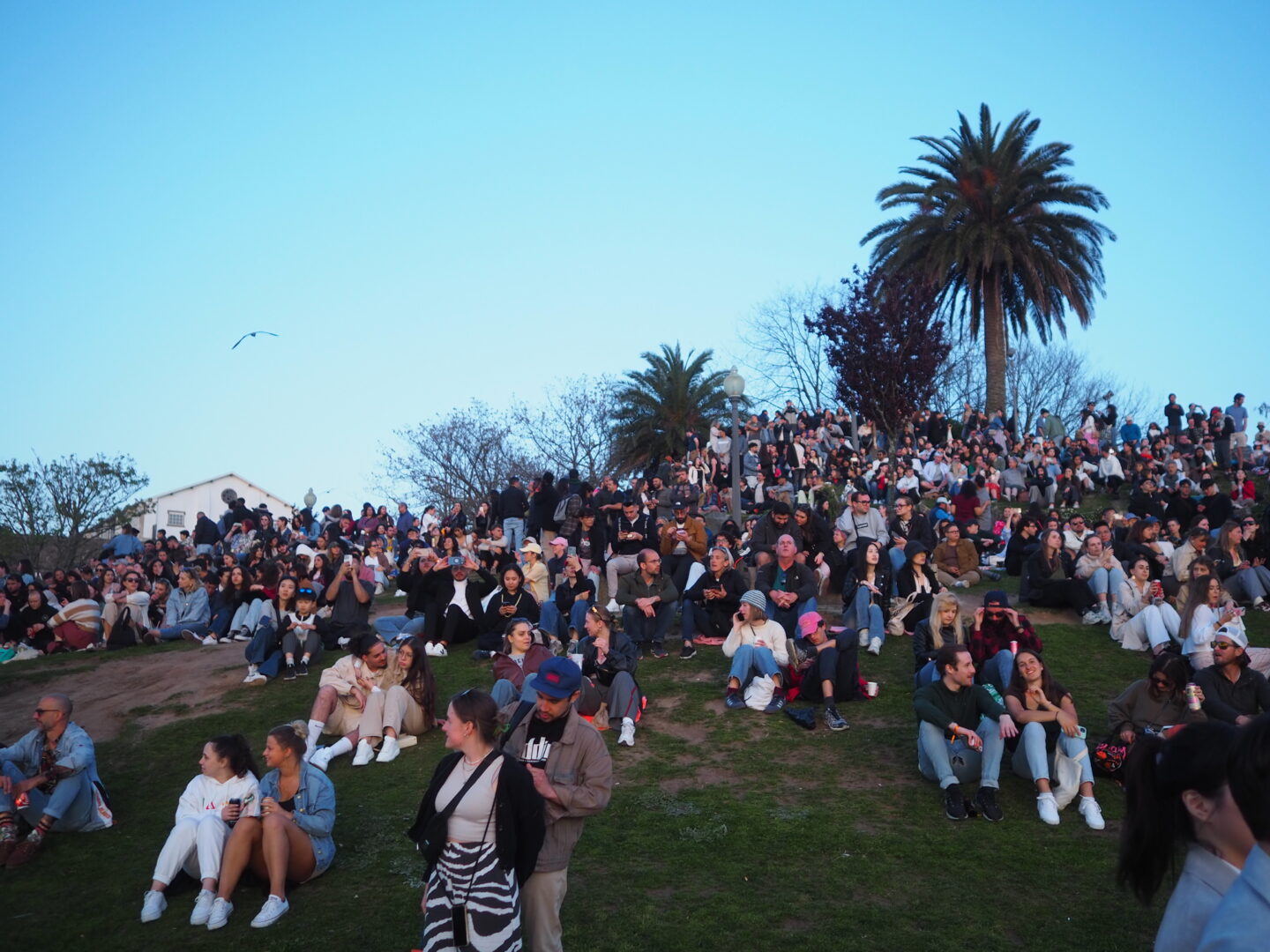
Jardim do Morro is a well known sunset spot in the city. At the top of a hill, with a band playing and everyone drinking a beer, it’s always packed full of people and it’s like that for a reason.
Ending the day here, surrounded by strangers, all appreciating how beautiful the view of the city is, was a special experience for me.
Dom Luis I Bridge
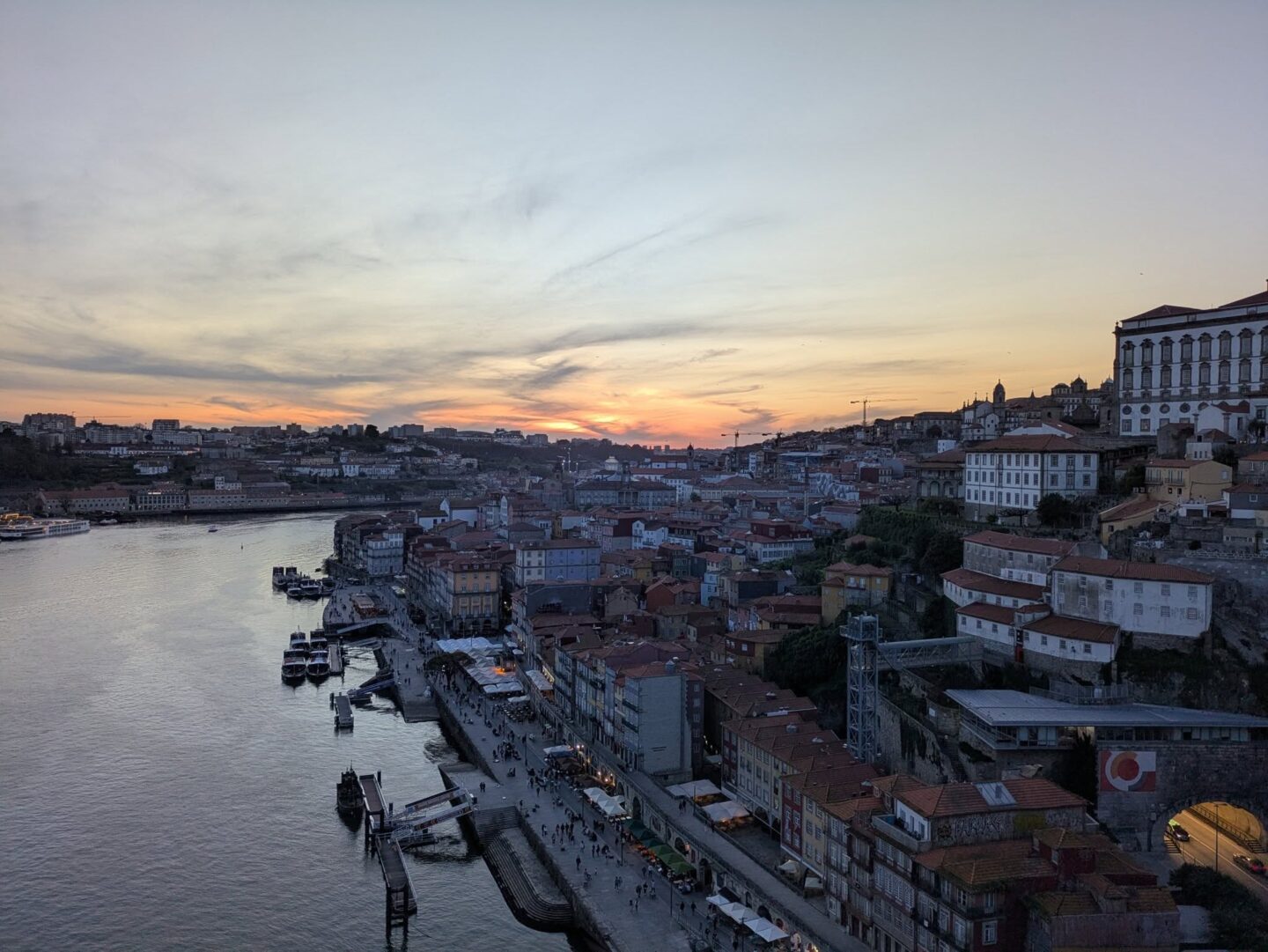
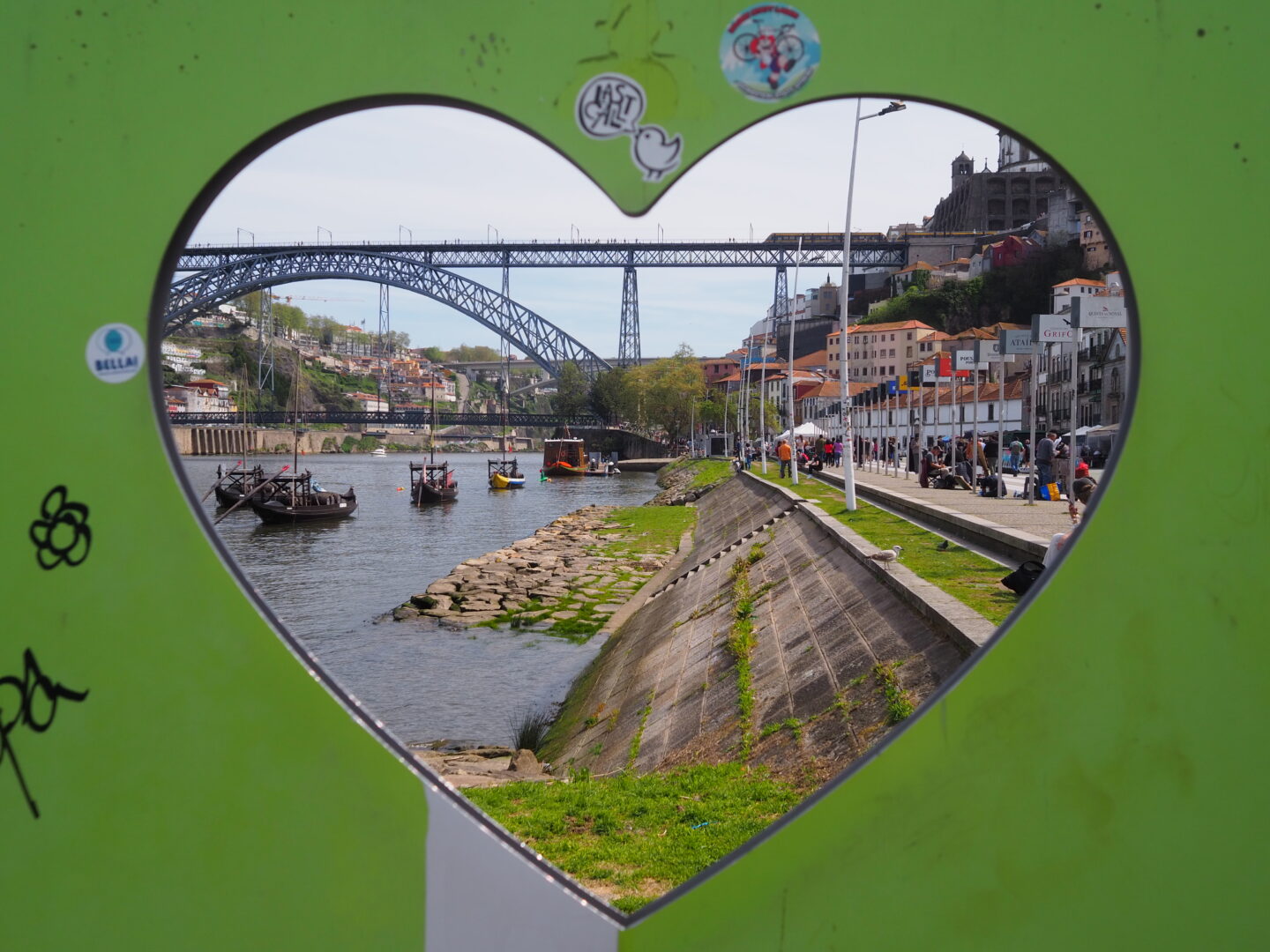
The bridge itself is, obviously, a massive Porto landmark, and has made it into most of my shots on this post. Unsurprisingly though, the view from the top of the bridge, down the river with Porto on the right and Vila Nova de Gaia on the left, is a view of the city you shouldn’t miss seeing.
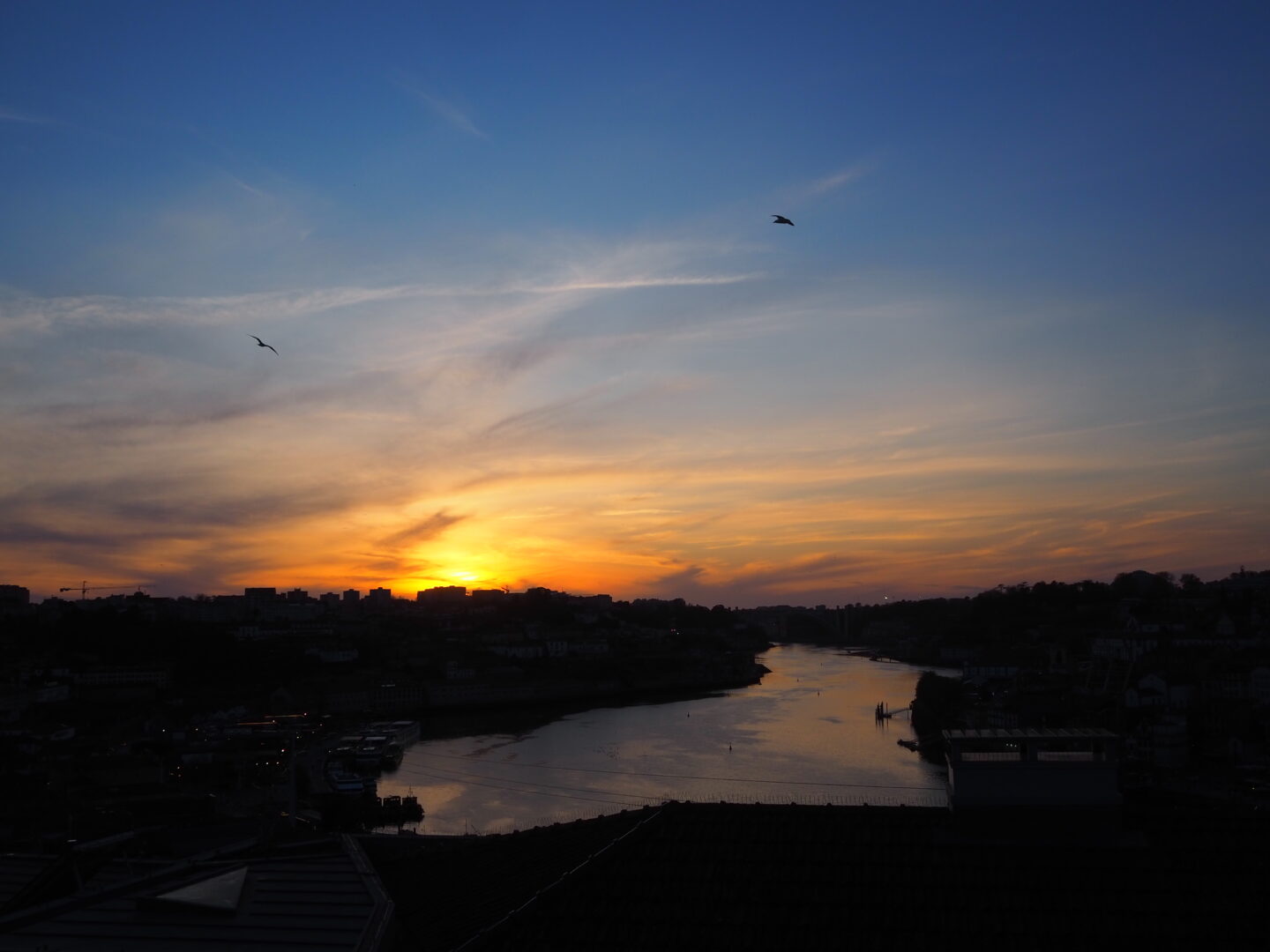
If you’re smart enough to be able to catch it in the middle of the day AND at sunset, you’ll see one of the best views in Porto. I caught the most amazing sunset, with the birds flying over the river. I love this shot.
Mosteiro da Serra do Pilar
This 16th century convent can be visited for a look inside but there’s also a free courtyard which overlooks the river Douro. This viewpoint is the highest one I’ve found in the city, looking down onto Dom Luis I Bridge rather than across at it. Being able to look down at the bridge is very special.

Clérigos Tower
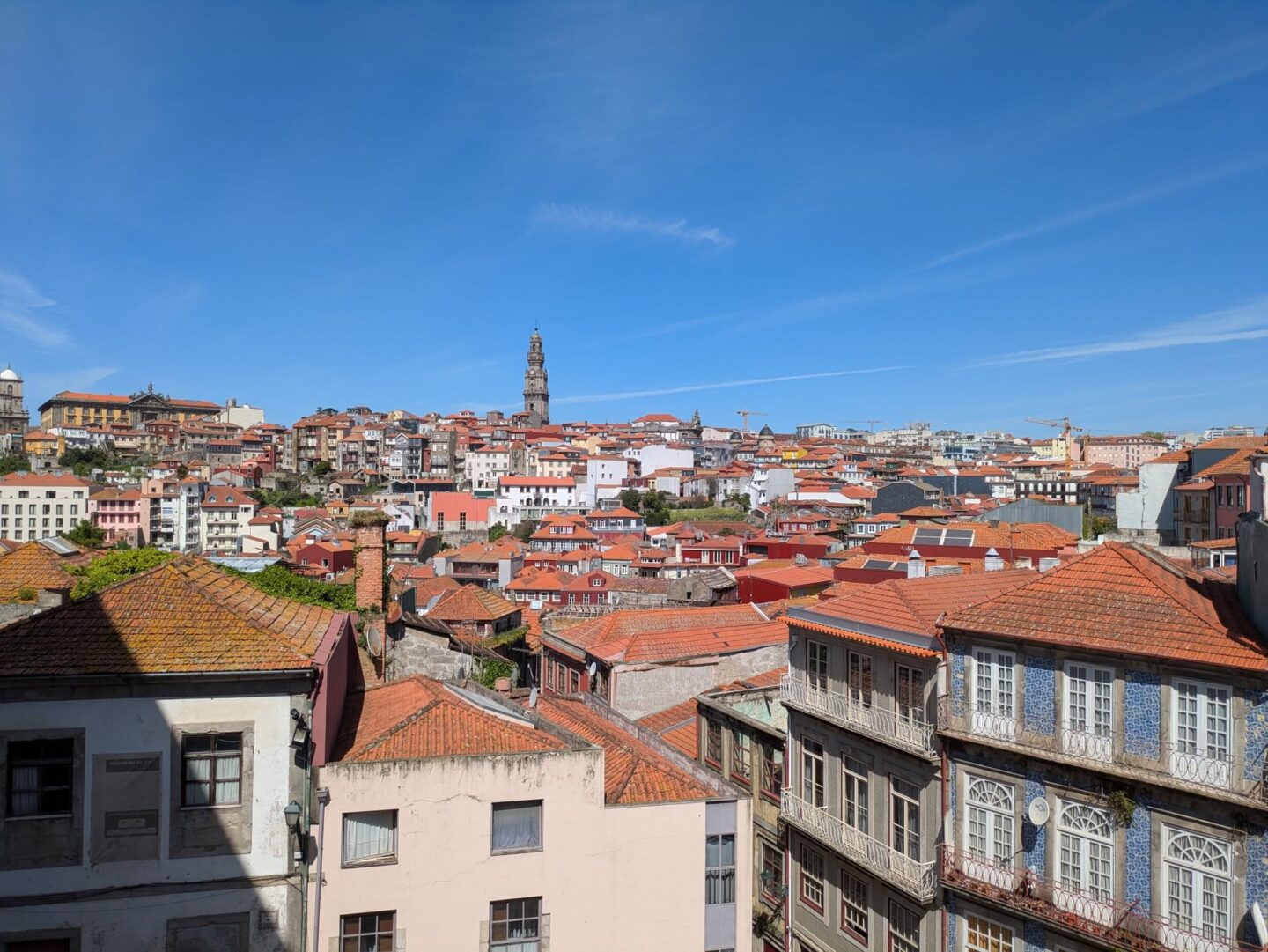
Porto’s well known Clérigos Tower gives 360 degree views of the city. Unlike most of the viewpoints I’ve shared, this one shows parts of the city you can’t see from the riverside and so it’s well worth climbing the 240 steps to the top. I chose to go at night as I wanted to see Porto in all her illuminated glory and I struck lucky because the moon was super low and a blood moon, which made my photos all the more beautiful.

Porto is one of those cities where there’s a different gorgeous view everywhere you look, so make sure you’re always looking around corners and over walls and you’ll come across some beautiful views by accident. Exploring Porto is always a delight.
Fun things to do in Porto
If you’re looking for something a bit more relaxed and silly when you’re in Porto, you’ve chosen the right city. Not everything in Porto has to be serious and there’s plenty of options for something lighthearted.
Wondersense Museum
Porto’s Wondersense Museum is an immersive experience based on the five senses. There’s a ball pit, an infinity room and all sorts of other things that would make for cute photos. Children will enjoy it and it would make an excellent date idea. Wondersense Museum is 22 euros for an adult, 17 euros for a child (3 to 12) and 19 euros for a teenager (13 to 17) Family tickets are cheaper and children under 3 are free.
Tile Painting
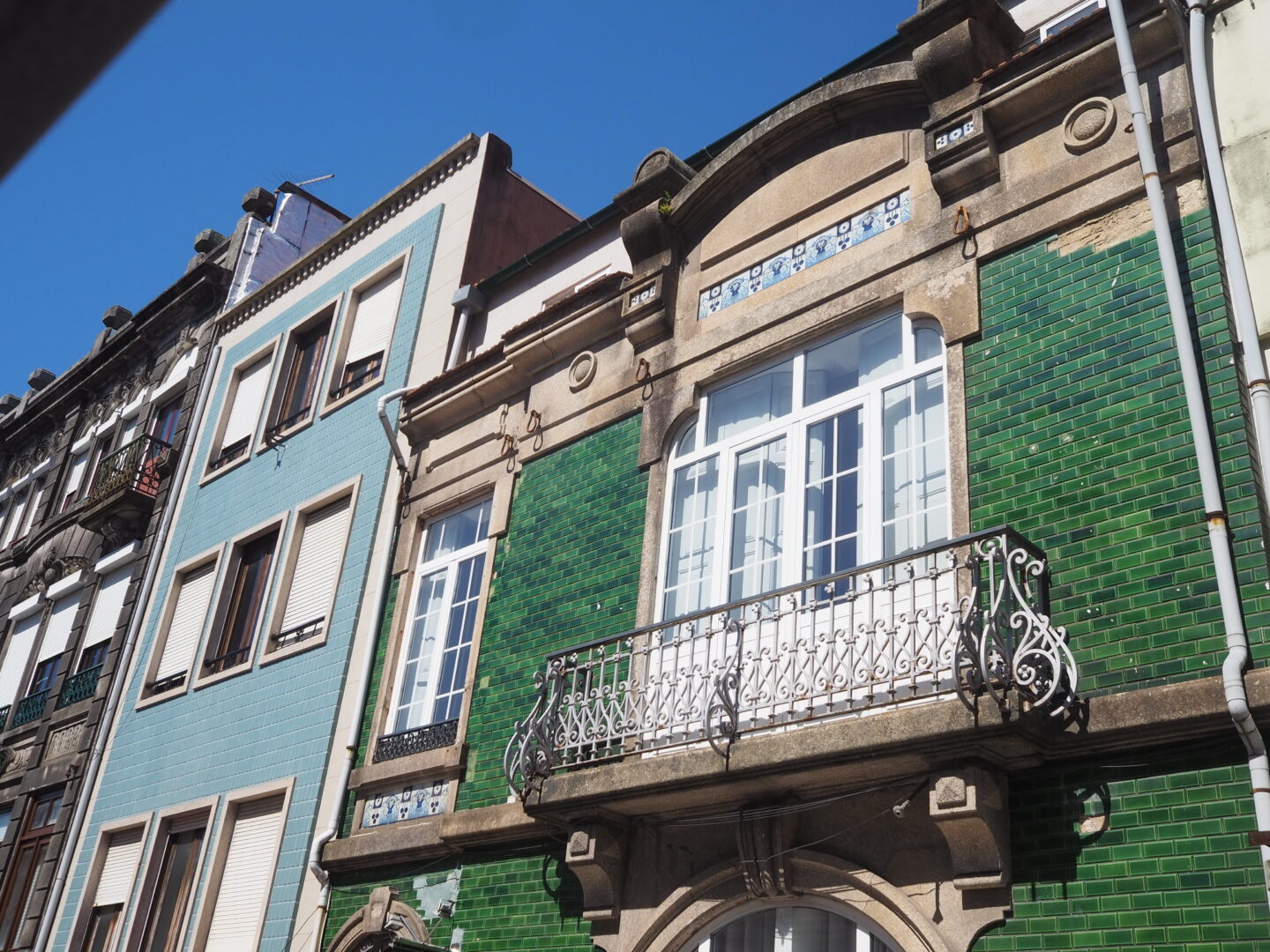
Portugese tiles, azulejo, are everywhere in Porto. If you’re crafty, you may want to try painting your own tiles, and there are plenty of tile painting classes in Porto. I tried tile painting at Boiler Studio with J, and I loved it.

O Porto dos Gatos cat cafe
I love a cat cafe. It’s my go to when I need some chill time on a trip, when the weather is bad or when I need to fill some time. O Porto dos Gatos is well reviewed and you can’t go wrong with cats.

Pastel de nata making
Porto’s iconic Pastel de natas are delicious, but did you know you can do a cooking class to learn how to make them yourself? I did a Pastel de nata class with J, and it was really fun.
The best day trips when you’re visiting Porto
Braga
Braga is the religious centre of Portugal. A small compact city, you can explore properly in three or four hours. Flixbus runs Porto to Braga buses, taking around 45 minutes, multiple times a day.
Guimarães
A 70-minute train away from Porto, Guimarães is a UNESCO world heritage site full of pretty cobbled streets and plazas to wander around. You can take a 90-minute cable car up to nearby Penha hill, but this addition will make your day trip pretty long, adding on at least two hours. For Guimarães itself, four or five hours should be enough time to really see the city.
Aveiro
Aveiro is a city full of canals, and is often referred to as Portugal’s answer to Venice. The flat city can be explored by free bicycle and is known for delicious seafood, if that’s your thing. 45 minutes on a train will get you to Aveiro from Porto or you can do a planned day trip too. I’ve written a post answering the question I’m sure you’ll have, is Aveiro worth visiting?

Douro Valley
I’ve read that this isn’t the easiest of day trips but it’s just about doable. You’d be best booking a day trip via something like Get Your Guide if you’d like to do a wine and food tour of the Douro Valley, so that you’re picked up and dropped off, meaning no need to manage public transport for this one.
A cruise along the river, wine and olive oil tasting and a nice lunch will turn your city break into something more relaxing. The views will be absolutely worth all the time spent on a bus.
National Park Peneda-Gerês
If you want to hike and be surrounded by nature, Portugal’s only national park, Peneda-Gerês, is 75 minutes by car from Porto. You can also get a bus, via Braga, but this of course takes longer and will be more hassle. There are deer, golden eagles and even wolves in the hills of the park. Be careful if you do go wandering.
Visiting Porto – best for shopping
If you want to shop in Porto, Rua de Santa Catarina is the main shopping street and has both souvenir type shops and your typical fashion, beauty and electronics too. To take home a taste of Porto consider buying some port wine, an azulejo blue and white tile, tinned sardines, cork and olive oil.
Local cosmetics company Claus Porto is well known in the city and has its own store. You’ll find a rooster, the symbol of Portugal, on a lot of souvenirs in city shops.
Shopping Cidade de Porto is a central shopping centre if you’re looking for more shops. For food don’t miss a visit to Mercado do Bolhão, a large market we’ve visited a few times. Grab a fresh fruit juice whilst you’re there, it’s delicious.

Souvenir shops are everywhere in the Ribeira area of the city. You’re bound to find something to take home there if you haven’t already. Just make sure you’ve got enough room in your suitcase, especially if you’re buying liquids.
The best places in Porto for history
Whilst Porto isn’t known for being a historic city, there are still a few museums you can visit if you’d like to find out more about the city. Some of the better known ones are mentioned below. I did struggle a bit with this part of the post as there’s not a huge amount of choice for this section.
Museu Militar do Porto
The military museum covers the history of the Portugese army. You’ll be able to learn more about military history if that’s of interest. I’ve struggled to find opening hours or ticket pricing for this museum.
Holocaust Museum of Oporto
Founded in 2021 and ‘the best museum in Porto’ according to TimeOut, the Holocaust Museum is run by members of the Jewish community of Oporto. It covers Jewish life before the Holocaust, Nazism, and everything that happened to Jewish people during the Holocaust. It won’t be fun, but it is important, and if you’ve never learnt more about the Holocaust, you should.
Port Wine Museum
This is probably your best bet for some Porto history. At 2 euros 50 per person, it’s a cheap one too. You’ll learn about the background of port wine and its connection with the city, something that doesn’t exist anywhere else. Open Tuesday to Saturday.
FC Porto Museum
Not a typical historical museum but if you like your sport, FC Porto has a stadium tour and museum. You can find out more about the club’s past and present – and adult tickets are 20 euros.
If you enjoyed this post and want to find out more about visiting Porto, I’ve written about Porto’s street art. I’ve got a guide to spending 48 hours in Porto if you’re looking for a detailed 2 day itinerary.
You can also check out the Porto tourism board’s website. I really enjoyed this post from Where Goes Rose during my research as well.
Introducing Porto has a really useful interactive map, which has helped me a lot with writing this post too.

If you’ve enjoyed this post and want to show appreciation, I’d love you to share it-on your social media, with friends and family, anywhere other people can see it. Views are really the best thing for a blogger.
But, if you’d like to support Inside Laura’s Head a little more, you can buy me a coffee. Funds raised in this way will go towards the running costs of the site, and help me to keep creating content.
Thank you, sincerely, for supporting my little corner of the internet.


That was a wonderful guide
Great tips and pictures! Added a few places to my itinerary! Thanks for sharing!